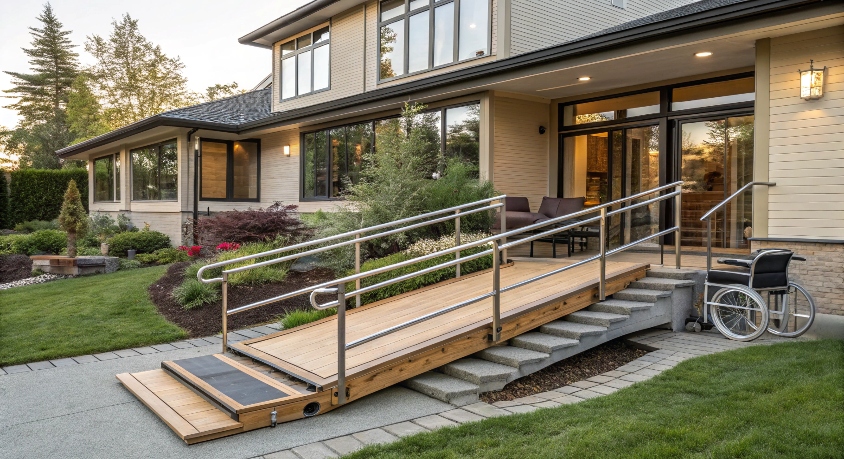
As people age, the comfort and safety of their living environment become increasingly important. Age-friendly home design, also known as "universal design" or "aging in place," refers to the practice of making homes more accessible and supportive for seniors as they navigate the challenges of aging. This approach not only helps older adults maintain their independence but also ensures they can live comfortably and safely in their own homes for as long as possible.
1. Prioritize Accessibility
One of the most important aspects of age-friendly home design is ensuring that the living space is easily accessible. This can involve making modifications to reduce physical barriers and enhance mobility.
Wide Hallways and Doors
To accommodate walkers, wheelchairs, or other mobility aids, it’s essential to have wide hallways and doors. Ideally, doorways should be at least 32 inches wide to allow easy access. If remodeling is an option, consider widening doorframes to accommodate these needs.
Smooth, Slip-Resistant Floors
Floors should be slip-resistant to prevent falls, which are a significant concern for seniors. Opt for materials like rubber, cork, or textured vinyl that provide grip. Avoid rugs or mats that could create tripping hazards, and ensure that any thresholds between rooms are low to prevent tripping.
Ramps Instead of Stairs
If your home has steps, consider adding ramps in place of or alongside stairs. This makes it easier for those with mobility issues to move between different levels of the house. If ramps are not feasible, stairlifts can also be a good alternative.
2. Safety and Lighting
Proper lighting and safety features are crucial to creating a home environment where seniors can feel secure and comfortable.
Bright, Even Lighting
Aging can affect vision, so it’s important to have bright, even lighting throughout the home. Install dimmable lights in areas where seniors might need to adjust the brightness. In addition, add task lighting under cabinets or above workstations to help with reading or other close-up tasks.
Nightlights and Motion Sensors
Nightlights in hallways, bathrooms, and stairways can prevent falls when seniors need to get up during the night. Motion sensor lights are also a great option for areas like the bathroom or kitchen, ensuring the lights turn on automatically when someone enters the room.
Grab Bars and Handrails
Grab bars in the bathroom near the toilet, shower, or bathtub are essential for preventing slips and falls. Installing handrails along hallways and stairs also provides additional support for individuals with limited balance or strength.
3. Simplify Everyday Tasks
Simplifying everyday tasks can make life easier for seniors and improve their overall quality of life.
Ergonomic Furniture
Furniture should be both comfortable and easy to use. Choose chairs, couches, and beds that are at a height that allows seniors to sit down and stand up easily without straining. Chairs with armrests are helpful for added support, and cushioned furniture helps reduce discomfort from sitting for extended periods.
Easy-to-Use Appliances
Older adults may find it difficult to operate complex or hard-to-read appliances. Choose simple, intuitive devices that are easy to use and feature large, clear buttons or touchscreens. Appliances with automatic shut-off features, such as stoves or coffee makers, also provide an added layer of safety.
Accessible Storage
Storage should be within easy reach to avoid the need for bending or stretching. Consider installing pull-out shelves or drawers in kitchen cabinets and closets. For frequently used items, place them at waist or eye level to minimize the risk of falls or injury.
4. Create a Cozy and Inviting Atmosphere
Beyond functionality and safety, creating a warm and welcoming environment is key to a senior-friendly home.
Comfortable, Soft Furnishings
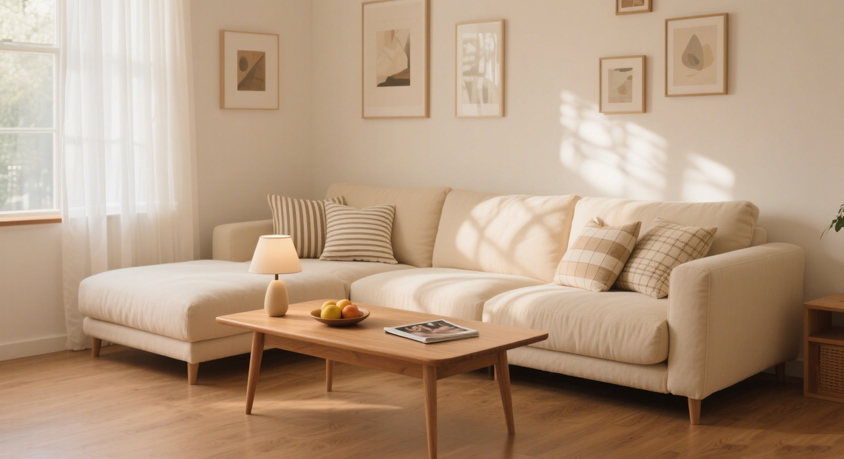
Soft, plush furnishings such as throw pillows, blankets, and rugs can make the home feel cozy and inviting. Be mindful of color choices, as soft, warm tones tend to have a calming effect. Avoid dark, harsh colors that could make the space feel too stark or unwelcoming.
Personal Touches and Decor
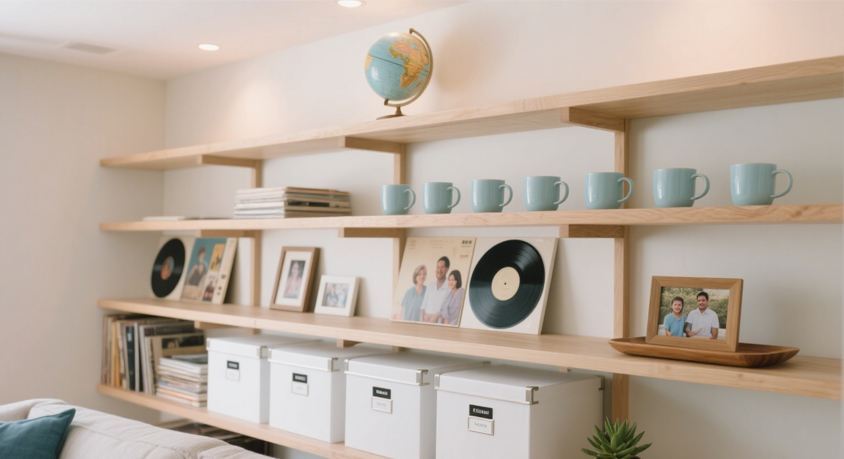
Incorporating personal touches and decor can make the space feel more like home. Display family photos, artwork, and cherished items that bring comfort and joy. Personalizing the environment helps seniors feel a sense of ownership and connection to their living space.
Outdoor Spaces
If possible, create outdoor areas where seniors can enjoy nature and fresh air. Raised garden beds or patio areas with comfortable seating provide a perfect spot for relaxation and socializing. Consider adding an awning or pergola to provide shade and protect from the elements.
5. Consider Technology Solutions
Technology can play a vital role in supporting aging adults and enhancing their independence.
Smart Home Features
Smart home devices such as voice-activated assistants, smart thermostats, and automated lighting systems can make managing everyday tasks easier for seniors. These devices can also help ensure safety, such as smart cameras for monitoring the home or fall-detection systems for emergencies.
Health Monitoring Devices
Health monitoring tools like wearable devices that track vital signs, blood pressure, and physical activity can help seniors manage their health and stay connected with family members or caregivers.
Creating a senior-friendly home is all about balancing practicality with comfort. By prioritizing accessibility, safety, and simple design, seniors can enjoy a space that supports their physical and emotional well-being. Whether you’re retrofitting an existing home or designing a new space, these age-friendly design principles can help ensure that your home remains a warm, comfortable, and safe place to live.
Disclaimer: Mention of any brand or trademark is for identification only and does not imply partnership or endorsement